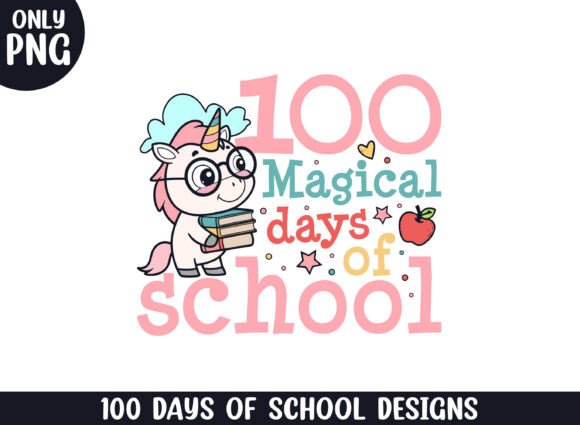
Review: 100 Magical Days of School Design
As a designer who spends more time staring at digitizing software than I do sleeping, I have learned to be skeptical of seasonal trends. The "100 Days of School" market is saturated, crowded with clip-art style graphics that look fine on a screen but turn into a tangled mess of thread once they hit the fabric. However, when I first opened the 100 Magical Days of School Design, my initial reaction was one of relief. This isn’t just another generic number; it is a thoughtfully constructed piece of digital art that respects the limitations and possibilities of machine embroidery.
The design falls squarely into the Crafts and Graphics categories, but for those of us running small shops or Etsy stores, it represents something more valuable: versatility. The description notes that it is made with 100 vector shapes and is fully re-sizable. For an embroidery professional, this is a critical detail. It means the underlying structure is clean, allowing us to scale the artwork for everything from a tiny baby onesie to a large tote bag without losing structural integrity or creating excessive stitch density issues.
First Impressions and Visual Personality
The mood of this design is playful yet polished. It captures the excitement of a major elementary school milestone without relying on overly childish or chaotic elements. The layout feels balanced, with a visual personality that suggests magic and achievement. When I loaded the file into my editing software, I appreciated the clarity of the shapes. There were no stray nodes or overlapping paths that usually require hours of cleanup. This level of precision is rare in affordable design assets, and it speaks to a higher standard of quality that translates directly to the finished product.
For embroidery designers, the ease of color change is a significant selling point. The description highlights that it allows for possible and easy color changes for dark t-shirts or white t-shirts. In practice, this means I can quickly adapt the design for a navy blue sweatshirt by swapping out light threads for darker, contrasting tones, or keep it bright and airy for a white cotton tee. This flexibility is essential for custom apparel businesses where clients often have specific color preferences or brand guidelines.
Real-World Application: The Custom Sweatshirt Test
To truly evaluate a design, you have to stitch it out. I decided to test the 100 Magical Days of School Design on a mid-weight cotton blend sweatshirt, a popular item for spring semester orders. The goal was to create a personalized gift that felt boutique-quality rather than mass-produced. Because the design is built from vector shapes, the transition between colors was smooth. I used a combination of satin stitch for the borders and fill stitch for the larger areas, ensuring the texture remained consistent.
The result was impressive. The design sat flat against the fabric, thanks to appropriate stabilizer use, and the details remained crisp. For an Etsy seller or small shop owner, this kind of reliability is crucial. Customers judge handmade products by their finish. If the stitching looks messy or the design pulls the fabric, trust is lost. This design, however, enhanced the perceived value of the garment. It looked professional, intentional, and high-end. It is exactly the type of embroidery project that encourages repeat buyers and positive reviews.
Versatility Across Product Lines
Beyond sweatshirts, this graphic adapts well to various substrates. I envision it working beautifully on tote bags, where the larger surface area allows the details to shine. It would also make a charming addition to aprons for classroom volunteers or even pillow covers for a child’s bedroom. The re-sizable nature of the vector shapes means you are not locked into one hoop size. You can shrink it down for a cap or expand it for a blanket, provided you adjust your stitch density accordingly.
For those selling digital embroidery files, this asset serves as an excellent base for creating derivative works or bundles. It fits seamlessly into a broader collection of holiday embroidery or back-to-school themes. The clean lines make it ideal for generating printable mockups, allowing you to showcase the design on various products before you even stitch a single thread. This saves time and materials during the marketing phase of your craft business.
Technical Considerations and Best Practices
While the design is robust, practical embroidery requires attention to detail. Here are some notes from my testing phase that every maker should consider:
- Fabric Selection: Always test the design on scrap fabric first. While it works well on cotton blends, textured fabrics like fleece or terry cloth may obscure finer details. For thin or stretchy fabrics, ensure you use a cut-away stabilizer to prevent puckering.
- Stitch Density: Even though the shapes are vector-based, always check the stitch density before running the final job. Large fill areas can become dense if scaled up significantly. Adjusting the density settings in your software can prevent the fabric from becoming stiff or board-like.
- Color Contrast: The design’s appeal relies on clear visibility. Test it in black and white mockups to ensure the contrast holds up. On dark garments, consider using a lighter underlay or choosing thread colors that pop against the background.
- Hoop Size: Confirm your hoop size before starting. While the design is re-sizable, ensure it fits comfortably within your machine’s maximum area to avoid re-hooping errors.
- Small Details: If scaling down for baby embroidery or small patches, inspect the tiny lettering and corners. Some intricate parts may need simplification to ensure they stitch out cleanly without thread breaks.
It is also vital to confirm licensing terms before selling finished items or digital products. While the design is marketed for commercial use, always double-check the specific license agreement provided by the creator. Understanding whether you can sell the embroidered item, the digital file, or both is fundamental to running a compliant and ethical craft business.
Enhancing Brand Consistency and Customer Trust
Using high-quality design assets like the 100 Magical Days of School Design contributes directly to brand consistency. When your products look professional, customers perceive your brand as reliable. This is particularly important for commercial embroidery projects where clients expect a certain standard of excellence. A well-executed design builds buyer engagement and encourages social sharing, which is free marketing for your small shop.
Moreover, the emotional connection of the "100 Days" milestone means this design carries inherent giftability. Parents and grandparents are looking for meaningful keepsakes. By offering a product that is visually appealing and technically sound, you tap into that emotional market. The design becomes more than just thread on fabric; it becomes a memory.
Final Verdict for Makers and Designers
In conclusion, the 100 Magical Days of School Design is a standout asset for any embroidery professional’s library. It balances aesthetic charm with technical practicality. The vector-based construction allows for easy customization, making it suitable for a wide range of applications from custom apparel to home decor. For Etsy sellers, boutique owners, and hobbyists alike, this design offers a reliable foundation for creating high-value handmade products.
Remember, the key to success lies in the execution. Take the time to test your thread colors, choose the right stabilizer, and respect the fabric’s texture. When you combine a strong design with skilled craftsmanship, the result is a finished product that stands out in a crowded marketplace. Whether you are creating a personalized gift or stocking your online store, this design is worth considering for your next embroidery project.